Accessible Hotel Design: Moving Beyond Compliance to True Inclusivity
Being in the hospitality business, properties need to set a higher bar than minimal ADA compliance. Accessible hotel design requires a holistic approach to achieve true inclusivity. There is, of course, the physical design to accommodate guests with mobility issues as well as those with visual and hearing impairments. But that’s only the beginning of the story. Properties need to view key tools and functions — including their website and online booking engine as well as their daily operations —through this lens as well. Let’s unpack it all, together!
Accessible Hotel Room Design
On March 15, 2011, the Americans with Disabilities Act Title III Regulations went into effect “relating to nondiscrimination on the basis of disability by public accommodations and in commercial facilities.” If you want to capture the travelers searching “hotels with inclusive design and accessibility features usa,” below are some critical design features and offerings to address first.
Room Offerings: Types & Tiers
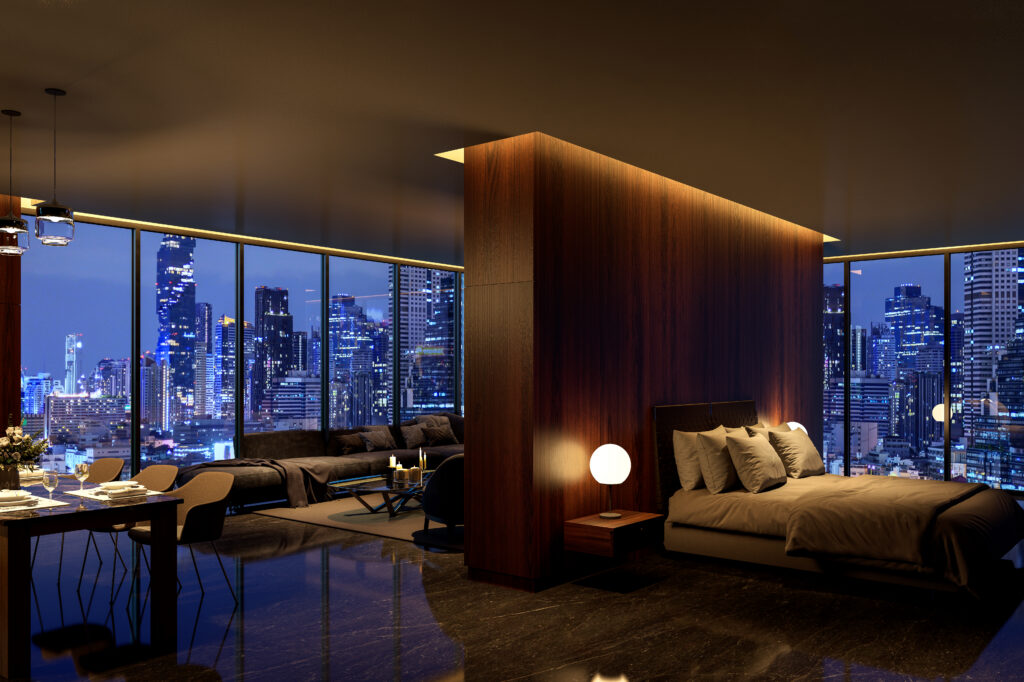
If your property offers different levels of accommodations, such as standard, deluxe, premium view and suite, accessible rooms must be distributed across room categories to provide comparable choices of room types, bed configurations and amenities. The same approach applies to various guestroom bed offerings, such as king, double queen, etc.
Maneuverability By The Numbers
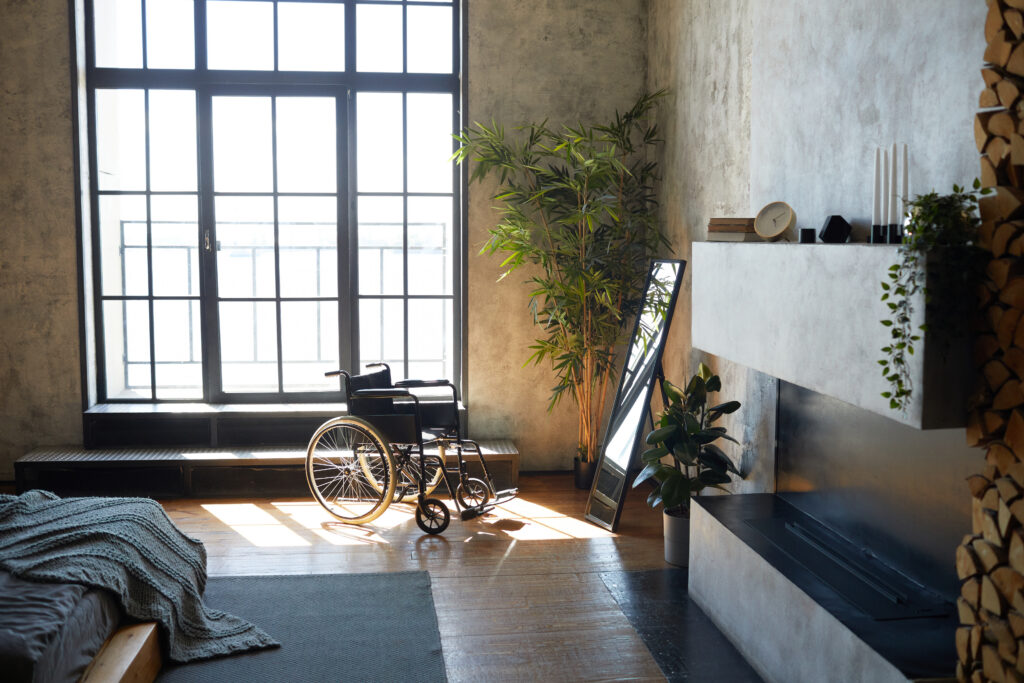
Guests who use a wheelchair require rooms that allow unencumbered movement throughout the space:
- 60 inches: provides a clear turning radius in bedrooms and bathrooms
- 32 inches: doorway width
- 30-36 inches: clearance around beds to allow for lateral transfers
- 18-23 inches: height of mattress from the floor
- 4 inches: under-bed clearance
Inclusive Bathrooms
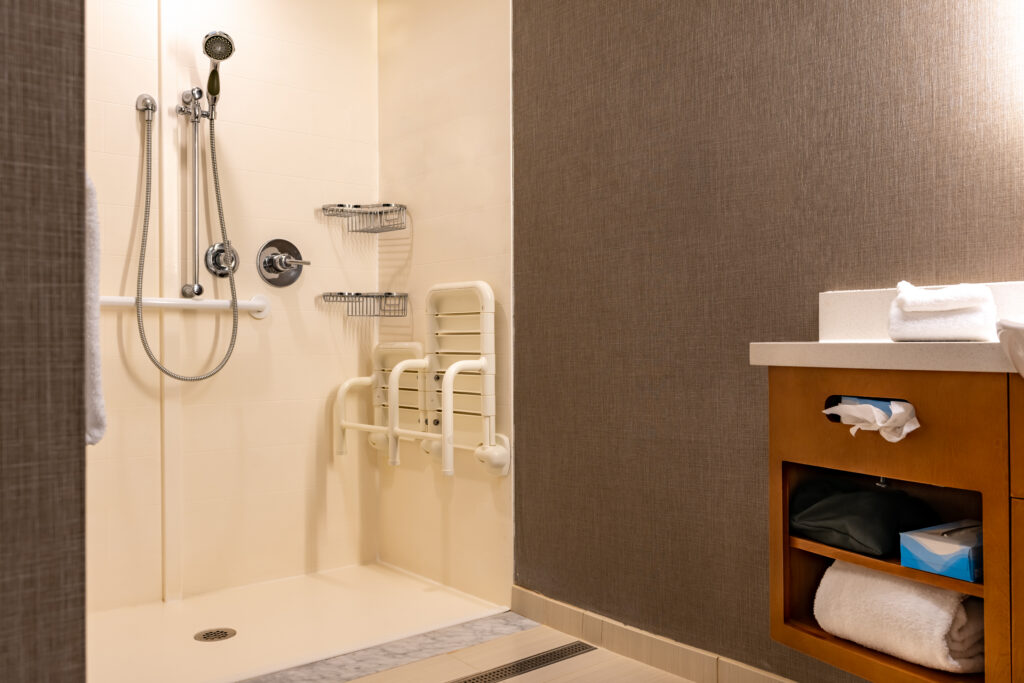
Showers must have step-free entry, allowing guests to roll in, with grab bars placed 12 inches clear of any mounted accessories. Additional features should include a fold-down shower seat and handheld sprayer. If there is a tub, it must offer a securely mounted transfer bench. The sink requires open knee space under the counter.
Functional Controls
To put your guest’s comfort within reach, thermostats, light switches, power outlets, window covering pulls and door handles must all be set between 15 and 48 inches. Each should be operable by one hand without tightly grasping the hand or twisting the wrist.
Multi-Sensory Safety Features
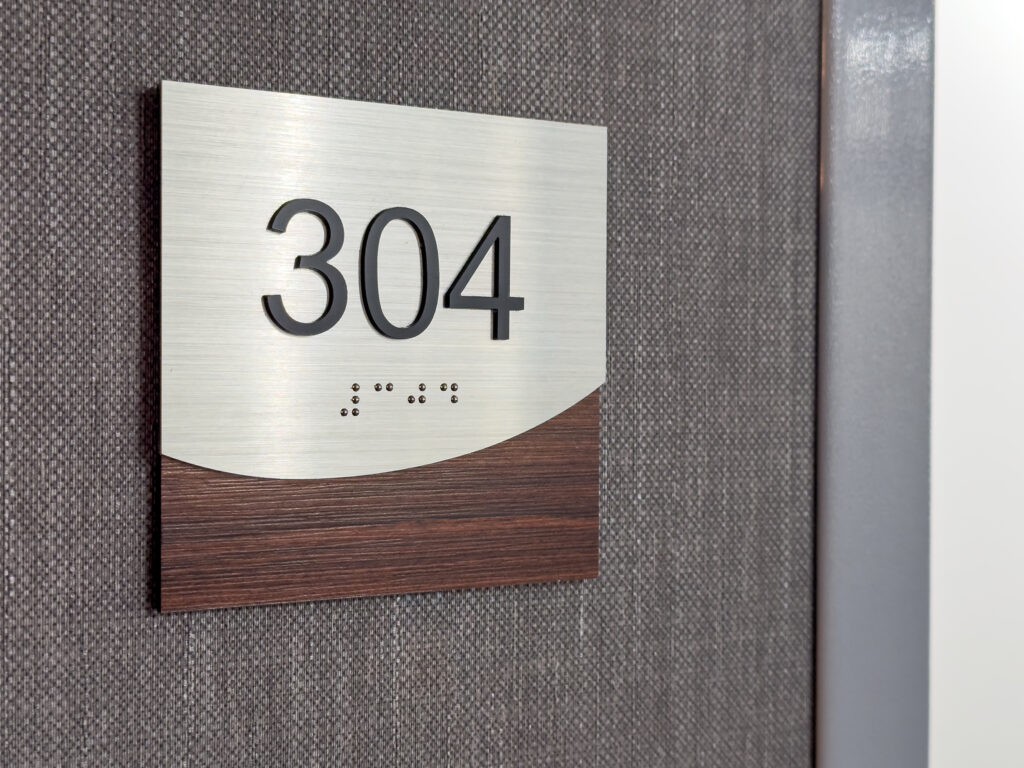
Key safety systems in accessible hotel rooms should not rely on a singular sense. Install visual strobe fire alarms and door-knock alerts. Provide properly positioned tactile and Braille room-identification signage and high-contrast visual signage.
Public Spaces & Amenities
Your responsibilities to your guests extend beyond their guestroom. The front desk should have a lowered counter section (maximum of 36-inch height) kept free of clutter to accommodate wheelchair users at check-in. At least 5% of the seating in your dining venues — including restaurants, bars and lounges — should feature open-knee clearance and pools should offer zero-entry slopes or self-operable ADA-compliant lifts.
Website & Online Booking Engine
We’ve blogged about website ADA compliance before. Not only does adhering to current regulations put you on the right side of the law, it also opens the door to users of all abilities. So look past your main pages and ensure that your online booking engine checks all of the same boxes:
- Navigate with keyboard only: Every step of the booking process must have the ability to be completed with keystrokes only, including using Tab, Shift+Tab, Enter, space or arrow keys to navigate between steps.
- Be compatible with screen readers: Implement HTML tags and dynamic ARIA attributes for all form fields, interactive elements and error messages. Button copy must always clearly describe the target action, such as “Reserve Now” or “Select Dates.”
- Bypass the calendar: Interactive date pickers create problems for screen readers. Make sure these users have a way to use keyboard controls to select check-in and check-out dates or have a workaround through manual entry or drop-down menu selections.
- Boost readability: All text and interactive elements should feature a minimum contrast ratio of 4.5:1 to the background. The copy must be able to be scaled to 2x its original size without breaking the booking page layout.
- Assign all visuals alt text: Whether it’s a room image or a floor plan graphic, all visuals require alternative text descriptions for screen readers.
- Tell the full story: Instead of identifying an accommodation as an “Accessible Guestroom” or “ADA Guestroom,” share exact specifications with prospective guests — from door clearance widths to bed heights and bathroom features to functional controls (as we detailed in previous sections).
- Secure specific rooms: These accessible rooms must be treated as specific, guaranteed inventory by your booking engine using a “hard block” to prevent overbooking or automated room reassignment.
- Expand communications: Offer easy contact options beyond the booking engine, such as an email, phone line or TTY service. This allows guests who require additional assistance to directly communicate with a representative to have all of their concerns addressed.
Daily Operations

Making your property welcoming and accessible to all guests is truly a full team effort. Here are some factors to consider in your day-to-day operations:
- Create space: Corridors, elevator banks and lobby pathways should be kept free of obstacles (such as baggage and cleaning carts, large signage, etc.) to accommodate guests in wheelchairs.
- Educate staff: All guest-interacting team members should receive proper inclusivity training.
- Plan for emergencies: Accidents and tragedies happen and it’s a hotel operator’s responsibility to safely evacuate the property. Ensure staffers have designated roles and plans are in place to assist guests with mobility, visual or hearing impairments.
As a marketer, getting heads-in-beds is your most important role. As a travel marketing agency, helping you do that is ours. Contact Lynn Kaniper at 609.466.9187 ext. 117 or lkaniper@danacommunications.com to learn how the Dana team can help you succeed.